


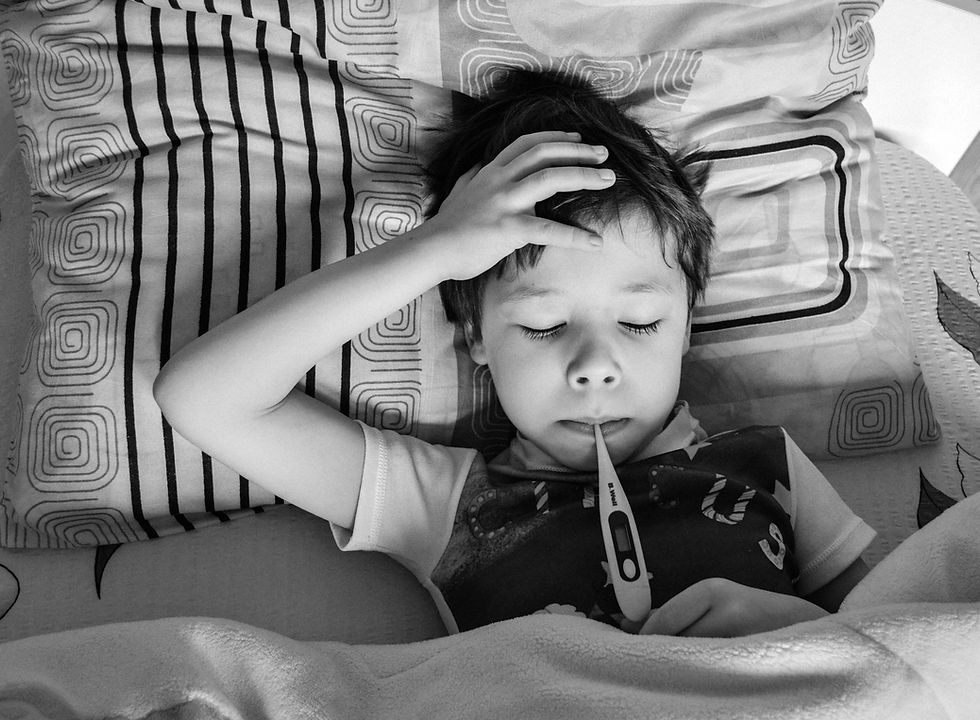
Schools, after-school programs, and childcare settings bring children together in close spaces for long periods of time. In Los Angeles and Orange County schools, students often share classrooms, supplies, restrooms, and playgrounds. These environments help kids learn and grow, but they also make it easy for germs to spread.
Many families are juggling work schedules, limited sick days, and the challenge of finding childcare when a child is sick. Understanding how infections spread and how to prevent them can make a huge difference for both your family and your child's school.
Children are especially vulnerable to infections because their immune systems are still developing. The Centers for Disease Control and Prevention (CDC) says that infection prevention in schools is essential for protecting children’s health, reducing missed school days, and stopping outbreaks before they reach families and broader communities.¹
What Is An Infection?
An infection happens when germs enter the body and start to multiply. These germs can cause illness ranging from mild colds to more serious diseases.
Common types of germs include:
Viruses like colds, flu, and COVID-19
Bacteria like strep throat or some skin infections
Fungi like ringworm
Parasites like lice
How Do Infections Spread in Schools?
Through the Air
When your child coughs, sneezes, talks, or laughs, tiny droplets carry germs into the air. Other children nearby can breathe them in. Some germs can also land on desks, doorknobs, and shared materials and even survive there for hours.¹
By Touching Surfaces
Kids touch a lot of shared objects throughout the day such as toys and sports equipment, classroom supplies, keyboards, tablets, and bathroom surfaces. If your child touches a contaminated surface and then touches their eyes, nose, or mouth, germs can get in.
Through Close Contact
Hugging, rough play, and sitting close together all make it easier for germs to pass from one child to another.
When Hands Are Not Washed
Hands are one of the most common ways germs spread. Young children may forget to wash their hands or may not wash them well enough, increasing the risk of getting sick.³
How Do Infections Affect Your Child?
Infections can affect your child's body, their ability to learn, and how they feel emotionally.
Their Immune System
Your child’s immune system is still learning how to fight off germs. This means:
Younger children may get sick more often and stay sick longer
Getting sick repeatedly can wear the body down and slow recovery²
School and Learning
When kids get sick often, it can lead to:
Missed school days
Falling behind in class
Trouble concentrating because of tiredness or lingering symptoms
And for families, a sick child can also mean scrambling to find childcare or missing work.
Feelings and Mental Health
Getting sick a lot can take a toll on how your child feels emotionally
Kids may feel stressed or worried about missing school or falling behind
Being sick regularly can lead to frustration, sadness, or feeling left out
Common Infections in School-Aged Children
Some of the most common infections seen in school settings include:
Cold and flu
COVID-19
Strep throat
Stomach viruses (norovirus)
Pink eye (conjunctivitis)
Skin infections (such as impetigo)
Head lice
Many of these illnesses are mild, but they can spread fast and disrupt classrooms when prevention steps are not in place.¹
Infection Prevention: Why It Matters
Preventing infections is not just about keeping your child healthy. It protects your whole family and the entire school community. Fewer sick children means fewer outbreaks, less missed work, and healthier kids who can focus and do better in school.³
Here are some key infection prevention strategies:
Handwashing
Handwashing is one of the most powerful ways to prevent infection. Teach your child to wash their hands:
Before eating
After using the bathroom
After coughing or sneezing
After outdoor play
When hands look dirty
Proper handwashing means using soap, water, and scrubbing for at least 20 seconds.² A simple trick: sing the Happy Birthday song twice to reach about 20 seconds of handwashing.
Tip: Keep a small bottle of hand sanitizer in your child's backpack for times when soap and water aren't available.
Covering Coughs and Sneezes
Teach your child to:
Cover coughs and sneezes with a tissue or inside of the elbow
Throw away tissues right away
Wash or sanitize hands after coughing or sneezing
Keeping Things Clean
Regular cleaning of commonly touched surfaces helps reduce germ spread. Commonly touched, or “high touch,” surfaces include desks and tables, doorknobs, light switches, shared technology, toys, and sports equipment
Schools play a big role in keeping these surfaces clean, and teaching kids to take care of their own spaces helps too.¹
Staying Home When Sick
If your child has a fever, is vomiting, has diarrhea, or is coughing a lot, keep them home. Sending a sick child to school can spread illness to their entire class.
We know staying home is not always easy. But bringing a sick child back to school too soon can lead to bigger outbreaks — and more kids and families getting sick.³
Vaccination and Infection Prevention
Vaccines teach your child's immune system how to fight off serious infections before they ever encounter them. Routine childhood vaccines protect against diseases like measles, whooping cough, and chickenpox. Getting a flu shot and staying up to date on COVID vaccines every year also helps prevent seasonal outbreaks.²
When vaccination rates are high in a school, it also protects children who have health conditions that make it harder for them to fight off illness.
Quick Steps for Parents and Caregivers
Teach and show your child how to wash their hands properly
Only send your child to school when they are feeling well
Keep your child's vaccines up to date
Make sure your child gets enough sleep, eats well, and stays active
Pack a small hand sanitizer in their backpack for use throughout the day
Infection prevention is a shared responsibility between families, schools, and communities. Small, everyday habits like handwashing and keeping a sick child home go a long way toward protecting not just your child, but everyone around them. You do not need special products or a lot of money to keep your child healthy. Simple habits, done consistently, make a real difference.
Sources
Centers for Disease Control and Prevention. (2023). Preventing the spread of infectious diseases in schools. CDC. https://www.cdc.gov
American Academy of Pediatrics. (2021). Infection prevention and control in pediatric settings. Pediatrics, 147(3). https://doi.org/10.1542/peds.2020-045991
World Health Organization. (2020). Health-promoting schools and infection prevention. WHO. https://www.who.int